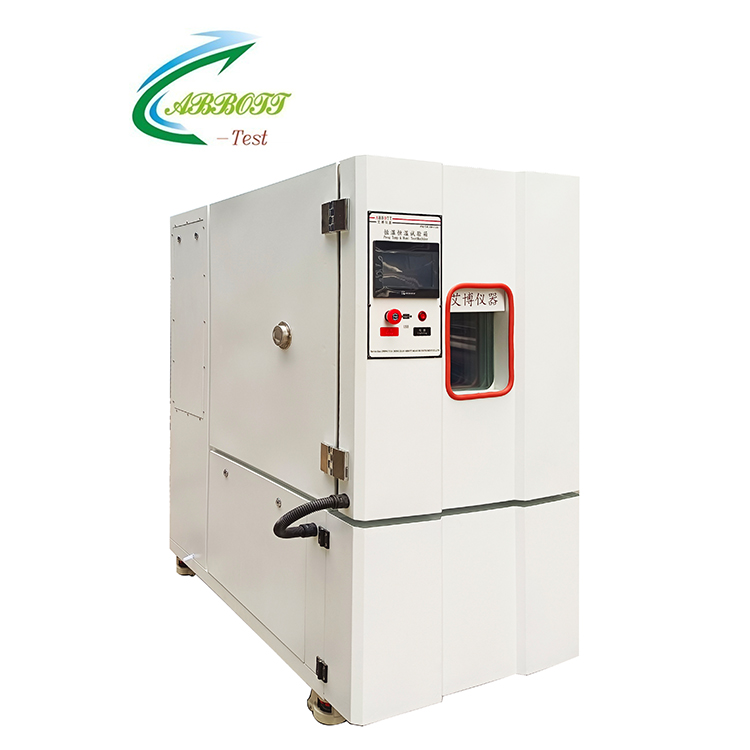
The primary function of a temperature and humidity chamber is to rigorously control product quality by simulating the tolerance and response of samples under extreme conditions such as high and low temperatures. Therefore, the performance of the equipment is of paramount importance during the selection process. When it comes to the performance of the device, it is important to address the factors that influence the performance of a temperature and humidity chamber. Many users misunderstand the factors that affect product performance, believing that as long as the device components are of good quality, it is a good device, which is incorrect.
How to Choose a Temperature and Humidity Chamber
1. Selection of Size: Measure the dimensions and volume of the test product. The size of the chamber directly determines the size of the chamber.
2. The temperature and humidity range of the chamber is determined by the actual use range of the product.
3. The size of the lift and hallway door will limit the size of the controlled-temperature and humidity chamber.
4. Selection of power supply: For chambers below 150L, a 220V single-phase power supply is generally used; Chambers above 150L capacity typically use a 380V three-phase power supply, which is reasonable and stable for the entire laboratory, and beneficial for the use of the equipment itself;
5. Air-cooling vs. water-cooling: For small temperature and humidity chambers below 1m3, air-cooling is typically used. Large temperature and humidity chambers or quick temperature change chambers usually employ water-cooling. Due to the larger refrigeration configuration, the temperature and humidity shock chamber is usually water-cooled.
6. Selection of the compressor: The quality of the compressor determines the refrigeration efficiency of the chamber.
Requirements: 1. Translate the entire article into American English, with a professional writing style, and the grammar must conform to the American way of writing and reading. 2. Ensure accurate translation.