

High and low temperature test chamber is an important environmental simulation test equipment, which can simulate the working condition of products in high and low temperature environment, so as to evaluate the temperature resistance, stability and reliability of products.
High and low temperature test chamber, also known as high temperature and low temperature test chamber, is suitable for high and low temperature reliability test of industrial products. It is mainly for electronic and electrical engineering, automobile and motorbike, aerospace, ships and weapons, colleges and universities, scientific research units and other related products, parts and materials in the high temperature, low temperature (alternating) cyclic changes in the situation, to test its various performance indicators. At the same time, high and low temperature test chamber is also used in food, drugs and medical equipment, cosmetics and other industries, storage conditions simulation test.
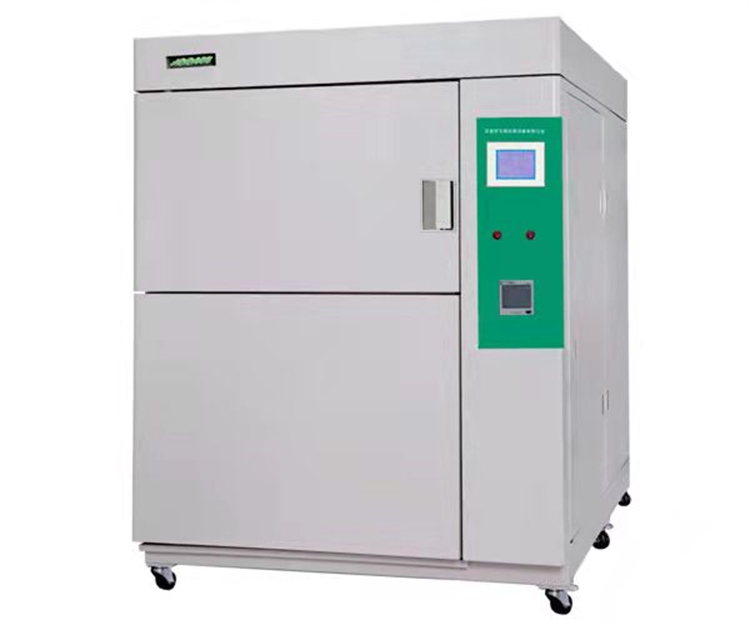
The working principle of high and low temperature test chamber is mainly based on thermodynamics and physical principles, through the coordinated work of multiple systems to accurately control the temperature inside the test chamber, in order to simulate the environment under different temperature conditions. The working principle is as follows:
Temperature control system: As the core component of the test chamber, the temperature control system is responsible for accurately controlling the operation of the heating and cooling system according to the preset environmental data. This system monitors the temperature inside the chamber in real time through temperature sensors and compares it with the set temperature value to adjust the heating or cooling power to ensure that the temperature inside the chamber is stable within a predetermined range.
Heating system: The heating system usually adopts electric heating wire or electric heating tube as the heating element, which generates heat after being energised. The heat generated through the air circulation system (such as fans) will be hot air into the test chamber, so as to achieve the purpose of warming. This heating method is fast, large heat, can quickly increase the temperature inside the box to the required temperature conditions.
Refrigeration system: refrigeration system is the use of compressor refrigeration technology, through the refrigerant in the evaporator, condenser and other components of the circulating flow to absorb and discharge heat for cooling. The refrigeration cycle is usually an inverse Karo cycle, which consists of two isothermal processes and two adiabatic processes, ensuring rapid and stable refrigeration.
Ventilation system: the role of the ventilation system is to ensure the circulation of air in the test chamber, to avoid local overheating or overcooling phenomenon. Through the operation of the fan and other equipment, the ventilation system can evenly distribute hot or cold air to all corners of the box to maintain the uniformity and stability of the temperature inside the box.
In addition to the above core systems, high and low temperature test chambers are also equipped with other auxiliary systems to maintain the stability and safety of the test environment. For example, the temperature adjustment door can help regulate the temperature difference between inside and outside of the chamber to avoid rapid heat loss; over-temperature protection and leakage protection and other safety systems can cut off the power supply in an abnormal situation in a timely manner to protect the test samples and equipment safety.
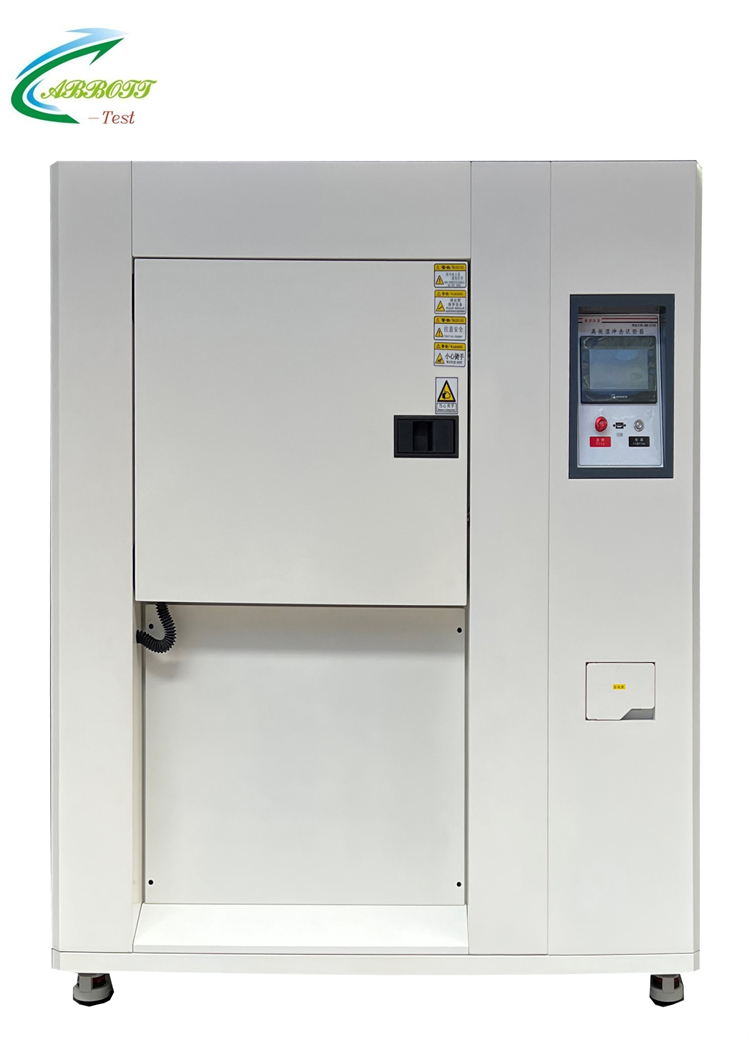
High and low temperature test chamber performance indicators mainly include temperature range, temperature deviation, temperature fluctuation, temperature uniformity and so on. Among them, the temperature range refers to the interval between the lowest temperature and the highest temperature that the tester can simulate, generally covering from -90℃ to +200℃, or even higher or lower, depending on the model. Temperature deviation, temperature fluctuation and temperature uniformity are used to measure the precision and stability of the tester in terms of temperature control.
High and low temperature test chambers can be divided into alternating and constant temperature tests according to the test method and industry standards. Alternating test chamber is the need to do a one-time high temperature, low temperature and the time required to do the temperature is set in the instrument parameters, the test chamber will be set by the procedure. Constant temperature test chamber is to do a fixed temperature, so that the test effect is closer to the natural climate, simulate a more severe natural climate, so that the reliability of the sample under test is higher.
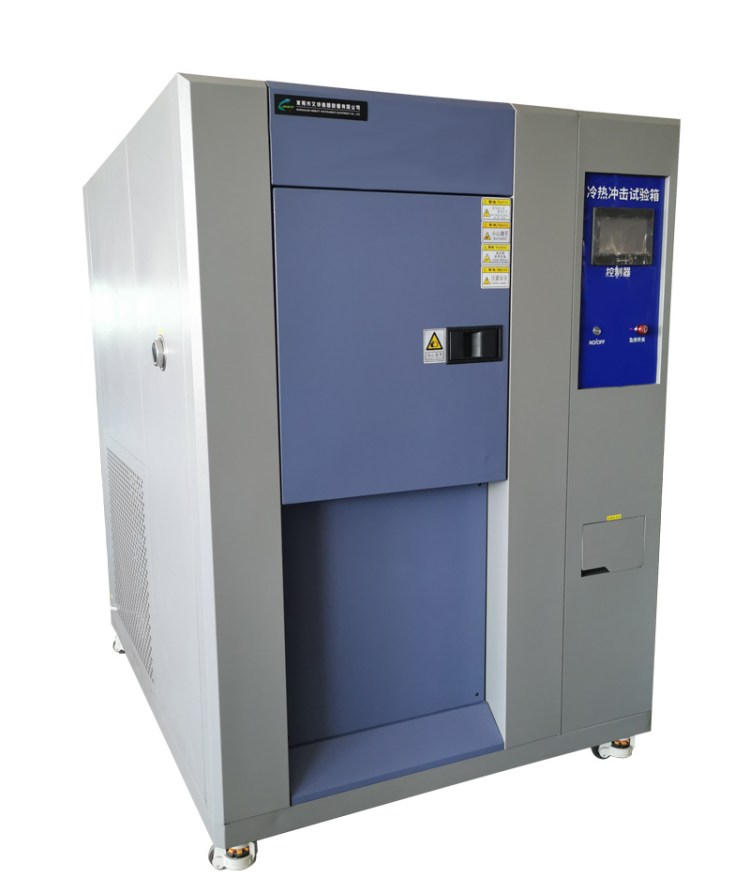
High and low temperature test chamber has a wide range of applications in a number of industries, as follows:
Electrical and electronic industry: used to test the performance and reliability of electronic components, circuit boards, complete machines and other products in high temperature, low temperature, hot and humid environment. Ensure that electronic products can work normally under all kinds of extreme conditions, and improve the quality and stability of products.
Automotive industry: Test the performance of automotive parts such as engines, batteries, body materials, etc. in extreme climatic conditions, which helps to ensure that automobiles in a variety of complex environments can maintain stable performance.
Aerospace industry: Testing the performance of aircraft components in extreme climatic conditions ensures that they work properly in a variety of environmental conditions. This is essential to ensure aviation safety.
Scientific research field: to provide stable environmental conditions for researchers for material research, biological experiments, etc. This helps to promote the progress and development of science and technology.